
Nape Surface w/1.2mm PTFE
I don’t usually pierce with 1.2mm PTFE for napes but this customer requested it and despite the swelling in the picture, we trimmed it down snug like a month later.

Nape Surface w/1.2mm PTFE
I don’t usually pierce with 1.2mm PTFE for napes but this customer requested it and despite the swelling in the picture, we trimmed it down snug like a month later.

Marie’s Chest Surface Piercing
Surface piercing w/1.6mm PTFE & 5mm titanium balls, unfortunately it rejected within six months so we agreed to do something else; at a later date. Surface piercings and piercings in general, can reject or migrate but I am only too happy to consult before hand.

Nape Surface Piercing
Nape surface piercing w/1.6mm PTFE plastic and gold titanium 5mm balls.

Nape Surface Piercing, a couple of years on…
Here’s a nape surface piercing a couple of years after it was pierced. The customer had recently caught it thus the sore right side, but overall hadn’t had any problems past first six months or so of healing. We put longer PTFE back in due to her catching it, adding white disco balls.

Nape Surface w/PTFE
Nape Surface w/1.6mm PTFE and 5mm titanium balls.

Nape Surface Piercing

Nape Surface Piercing Flush
Here are a couple of surface piercings on the nape of the neck. I always pierce these with 1.6mm PTFE plastic w/titanium balls to allow flexibility and initial comfort for the inevitable swelling. A few weeks after your pierced, maybe a month or so depending on your own healing process; return to the studio and I’ll trim/cut the plastic bar down flush. You can also change the heads or balls, though I recommend a 4/5mm ball minimum for the first few months.
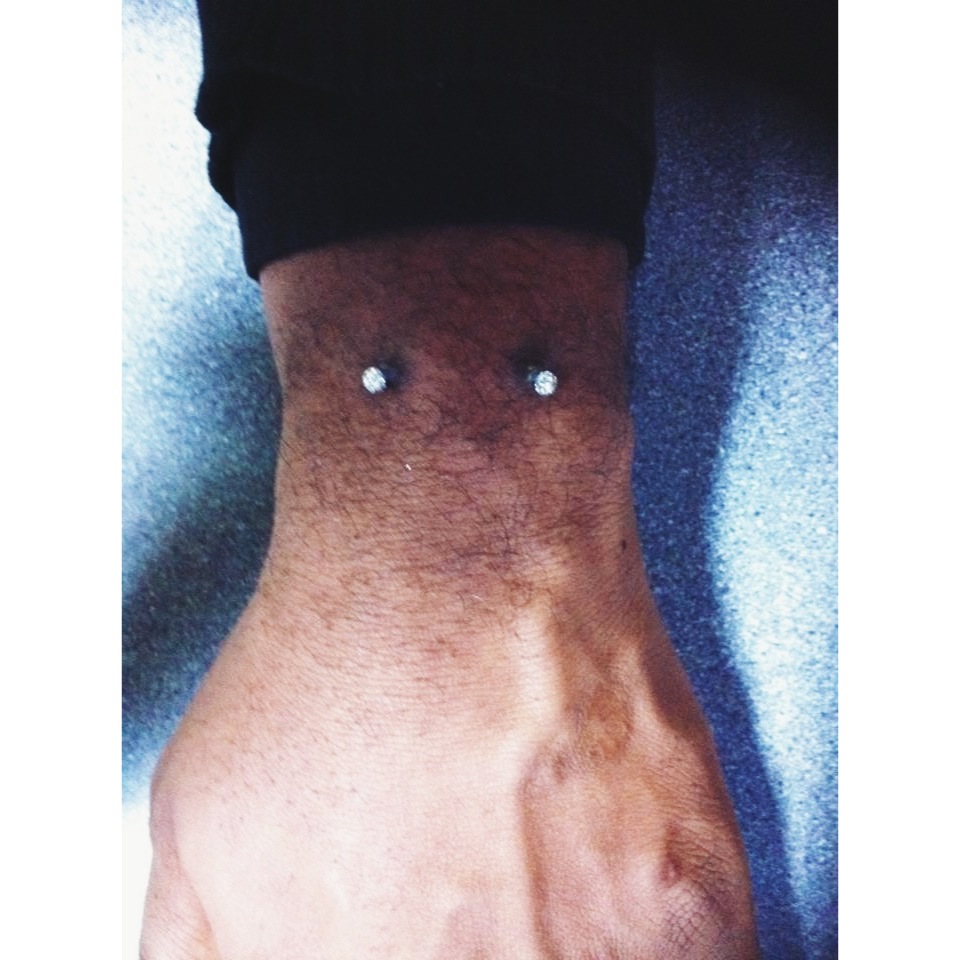
Daniel’s Wrist Surface Piercing
Here’s Daniel’s wrist surface piercing w/1.6mm PTFE plastic bar and clear gem balls.

Custom Navel Work
Here’s some old custom work, a triple pierced navel though only the lower two were pierced by me. This is custom reverse surface navel piercings, pierced at the same time with 1.2mm PTFE plastic.
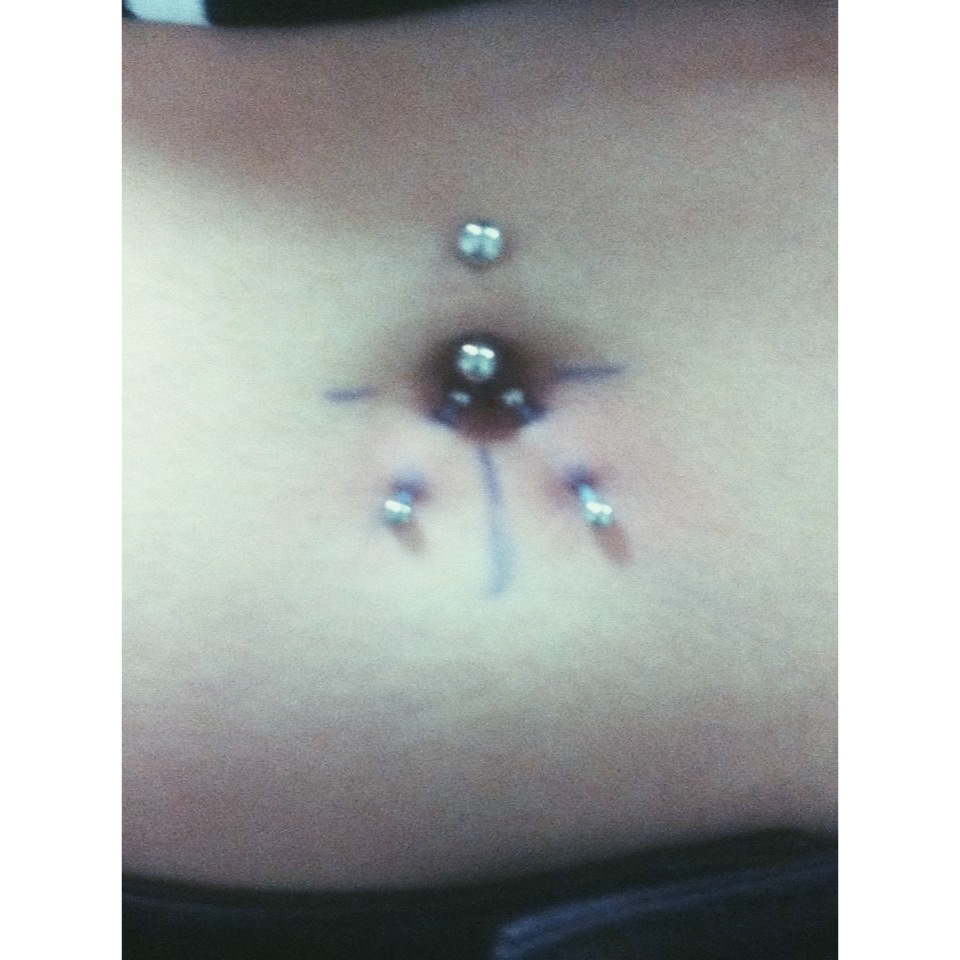
Surface Navel Piercings w/PTFE.
The PTFE was cut down flush several weeks/months after healing. The swelling with surface piercings can be common and thus PTFE is better due to its flexibility.

A hip/waist Surface Piercing w/PTFE
Here’s an early surface piercing on the hip/waist. Note, for all surface piercings I only pierce with PTFE plastic, so to allow room for swelling due to the bar being flexible, more comfortable and in general gives it a better chance of healing. One it’s healed, return to trim the plastic down and in some cases (areas of the body) you can change to a metal bar. However it has to be said, surface piercings in general do have a high rejection rate and can naturally migrate. Depends on the body part, depends on the individual, depends on if you look after it.
 [ EL CAPITAN x BODY PIERCER ]